


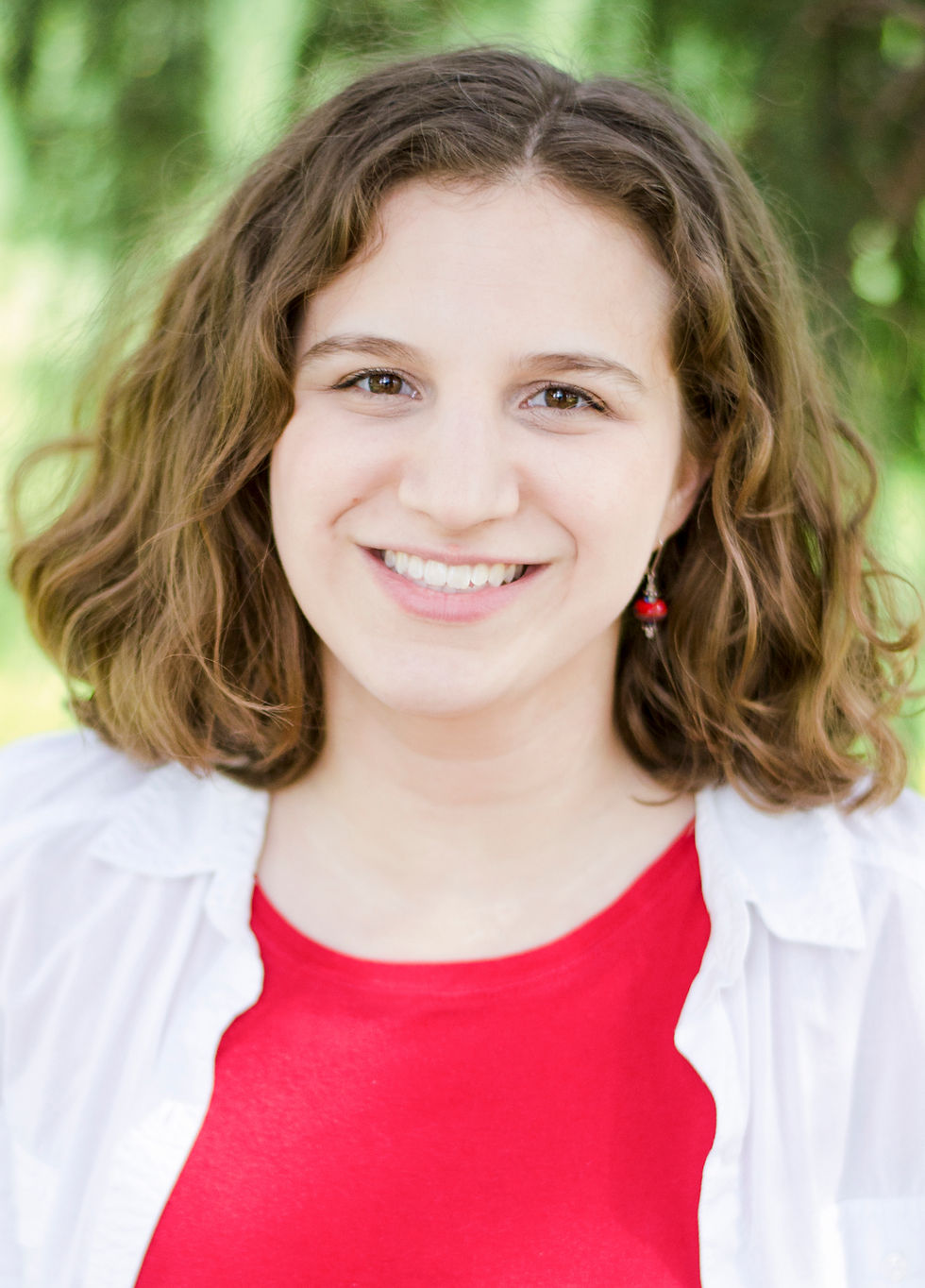
Steph Cherrywell - Author, Illustrator, and Librarian

Steph Cherrywell is a librarian, author, illustrator, and game creator in the Milwaukee area. They’re the author of two novels for kids, Unboxing Libby and The Ink Witch. Their previous projects include two graphic novels for older readers, Widgey Q. Butterfluff and Pepper Penwell and the Land Creature of Monster Lake, and the old-school text adventures Brain Guzzlers from Beyond! and Zozzled. They love comics, science fiction, roleplaying games, and exploring the city by bicycle. You can see all their projects at stephcherrywell.com.

1. Where do you get your ideas from?
I don’t know if it’s like this for every writer, but my mind is sort of like an old junk store filled with random bits and bobs. I’ll take things down off the shelf and tinker and add things. Sometimes, I have a piece like a character or a situation I really like, but it doesn’t fit anywhere yet, so it goes back in the drawer. When I need a new serious, for-real project, I look around at all the stuff that’s already half-built and pick something to actually finish. That’s when it goes from just playing around with ideas to actual work.
If you’re having trouble getting ideas, the best advice I can give is this: have you ever heard the title of a book (or movie, or show), or maybe read a short description, and thought it sounded great—and then it wasn’t what you were expecting? Think of what you wanted it to be and make that your story. I started my book, Unboxing Libby, after reading a YA novel where a boy gets a robot girlfriend, but the story was all from his perspective—I wanted to know what the robot thought!
2. What do you do to inspire yourself when you have a block?
I’m most likely to get blocked when I’m worried that a scene isn’t very good. The best solution is just to write it, even if it’s bad, and go back and fix it later. You can fix a scene that’s bad, but you can’t fix a scene that isn’t there.
(Some beginning authors are tempted to use text generators/”AI” for this part, because if you’re going to get a badly-written scene either way, that’s at least faster. But if you write the scene, you’ll figure out ways to make it better as you go. Making your own bad version of the scene is an important step towards your good version.)
3. What did you like to read and write as a kid?
I was lucky because, besides taking me to the library all the time, my parents had a house full of books, so I discovered all kinds of things just lying around—old stuff, new stuff, books for kids, books for adults, fiction, nonfiction, just about anything. A few personal favorites I remember are the My Teacher Is An Alien series by Bruce Coville, Louis Sachar’s Wayside School books, and the Ramona books by Beverly Cleary.
One of the first stories I ever wrote down was about a creature called the Goopengas Monster attacking my school. I also remember taking a bunch of characters I liked from a fantasy series for adults and having them fight alien zucchini monsters. I was a pretty silly writer.
4. If you could pick a single fruit to create a story around, what would it be?
When pineapples were first introduced to Europe, they were incredibly expensive because they had to be imported from the Americas. They were so expensive that most people could only afford to rent them, so if you were throwing a party, you might get a pineapple for the evening so people would say, “Wow, look at that big shot with the pineapple.” Then you had to watch it like a hawk to make sure nobody tried to eat it. I’d like to write a mystery about a pineapple heist.
5. What’s your favorite genre to write?
Speculative fiction all the way! That means anything that’s not “realistic”—some people divide it into science fiction, fantasy, horror, or other genres. I love them all! So far I’ve done one science fiction book and one fantasy book, but no horror—yet.
6. How do you come up with titles for your books?
Even though the title is the first thing the reader sees, it’s actually one of the last parts of the book to be decided, and in my case it was the publisher who came up with the final titles. I gave them a few possibilities, but both times they ended up going with something completely different. So nowadays I don’t worry too much about titles, because I figure they’re going to get changed at some point anyway.
7. Do you prefer ebooks, printed books, or audiobooks most of the time?
I’m one of those people who just doesn’t like using an e-reader, so it’s mostly print for me. I love audiobooks, too, though, because they’re so perfect for car trips, bike trips, or playing any video game that doesn’t take all your attention. Sometimes, just thinking about a certain book brings back what I was doing when I was listening to it—sort of like how smells can trigger memories.
8. Would you share something about yourself that our readers don’t know (yet)?
I lived in Japan when I was in college. I was studying Japanese, because I loved manga and I wanted to be able to read it. Then, after I’d been at it for a while, manga got popular in the US, and almost everything I wanted to read ended up coming out in English anyway!
9. Do you write more than one thing at a time?
I sure do! I always have tons of different things going in various stages of completeness. Both of my books were worked on on-and-off for years before I finally finished them. I have a whole folder with dozens of Chapter 1s of various things. It goes back to my first answer – for me, most of the writing happens in my head anyway, playing with things and fitting them together in different ways. The putting-it-down-on-the-page part is just a step in the middle. A lot of writing happens before that—and a lot happens after it, too, because of all the rewriting and editing.
10. What is something in your field that you don’t know how to do yet, but would like to learn?
I mentioned earlier that I hadn’t written a horror novel yet. I like reading them, though, and I have good friends who are horror authors, so I’ve always wanted to write one myself. I just have to think of something that’s scary enough!
Steph, thank you for the fantastic insights into your writing journey! Please follow Steph on social media and check out their creative middle grade story, Unboxing Libby, listed in our Bookshop. Keep shining!


Comments